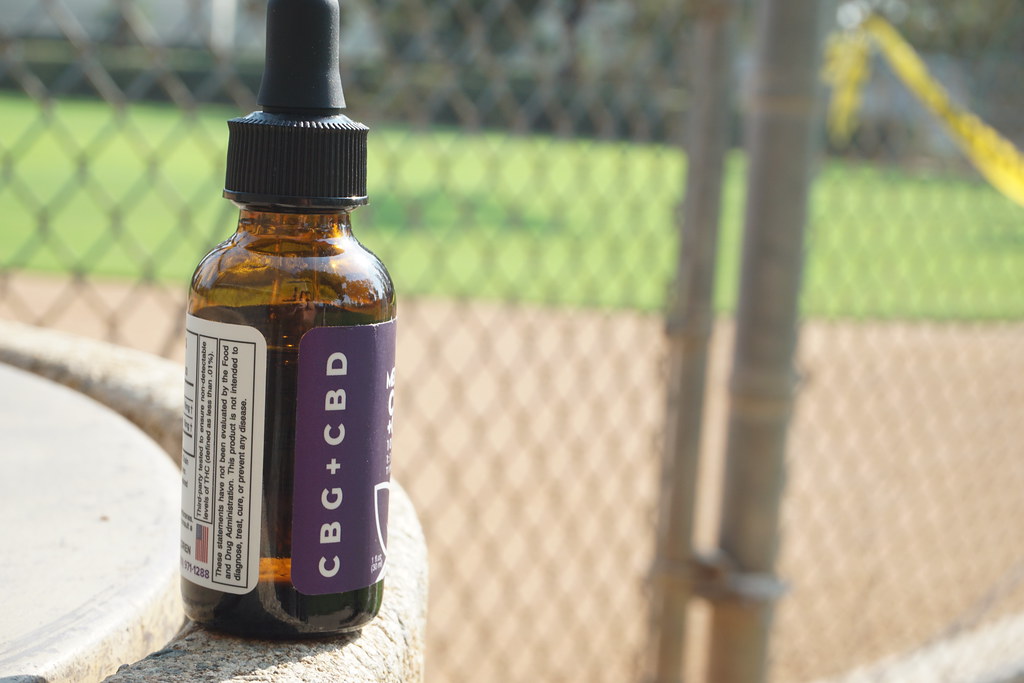
5 Common CBD Myths That Need to Go (And What’s Actually True)
CBD has come a long way from being a niche wellness trend to becoming a widely discussed daily supplement. But with that rise in popularity has come a flood of misinformation. Some of it comes from outdated assumptions about cannabis, while other myths are fueled by overhyped marketing claims.
If you’re trying to make sense of CBD, it’s important to separate fact from fiction. Let’s clear up five of the most common myths—and replace them with what’s actually true.
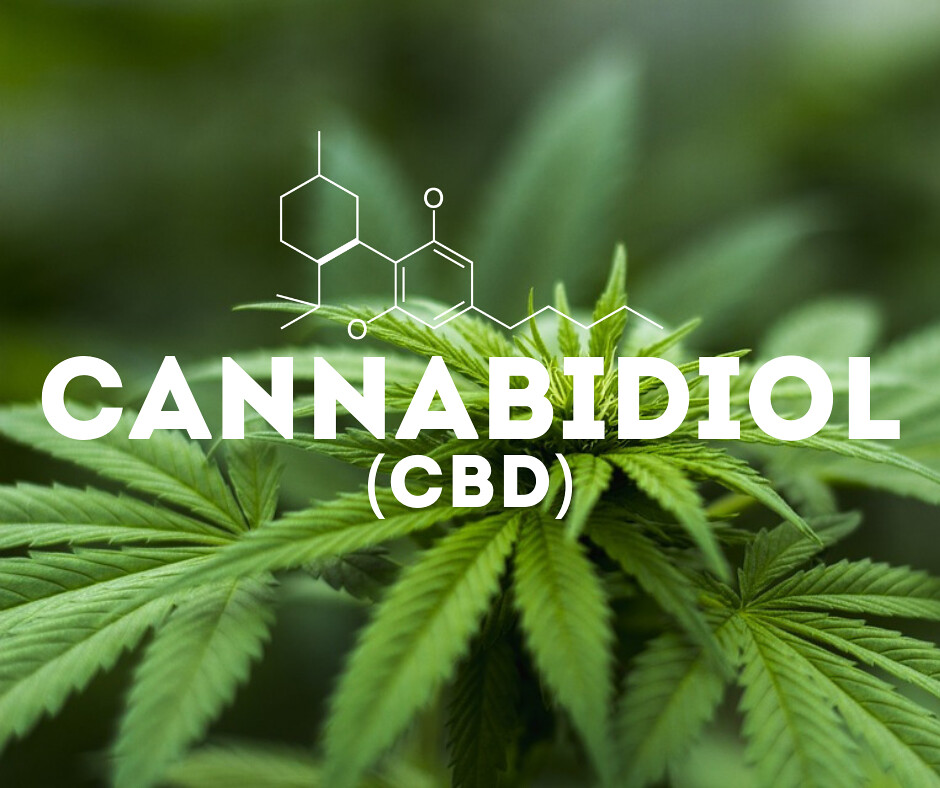
Myth #1: CBD Will Get You High
This is easily the most persistent misconception.
What People Think
CBD is derived from cannabis, so it must produce the same psychoactive effects as marijuana.
What’s Actually True
CBD is non-intoxicating. It doesn’t produce a “high,” impair your thinking, or alter your perception the way THC does. The compound responsible for that euphoric effect is THC—not CBD.
Even full-spectrum CBD products (which may contain trace amounts of THC) are formulated to stay well below levels that would cause intoxication, although those traces can still show up on a drug test.
Most people describe the effects of CBD as subtle—more like a sense of calm or balance rather than any noticeable shift in consciousness.
Myth #2: CBD Works Instantly Like a Painkiller
In a world of quick fixes, it’s easy to expect immediate results.
What People Think
Take CBD once, and you’ll feel a dramatic difference within minutes.
What’s Actually True
CBD is not a fast-acting “on/off” solution. While some people may feel relaxed shortly after taking it—especially with fast-absorbing forms like tinctures—any effects people notice often build over time.
CBD interacts with the body’s endocannabinoid system, and many people find consistency matters more than a single dose. Many users report the most noticeable effects after several days or even weeks of regular use.
Think of it less like a painkiller and more like a daily wellness supplement.
Myth #3: More CBD = Better Results
When something works, it’s tempting to assume more will work even better.
What People Think
Higher doses automatically lead to stronger or faster results.
What’s Actually True
CBD doesn’t always follow a “more is better” rule. In fact, many people find their optimal dose is relatively moderate.
Taking too much CBD can sometimes lead to diminishing returns—or side effects like drowsiness or digestive discomfort, and CBD can interact with some medications. The goal is to find the smallest effective dose that works for your body.
This is why experienced users often recommend starting low and gradually adjusting.
Myth #4: All CBD Products Are the Same
Walk into any online store and you’ll see dozens of options that look nearly identical.
What People Think
CBD is CBD—so any product will deliver the same results.
What’s Actually True
Quality varies dramatically between products. Factors like sourcing, extraction methods, and third-party testing all play a major role in effectiveness.
There are also different types of CBD:
- Full-spectrum: Contains a range of cannabinoids and plant compounds, including trace THC
- Broad-spectrum: Similar to full-spectrum but without THC
- CBD isolate: Pure CBD with no additional compounds
Each type can produce slightly different effects due to what’s often called the “entourage effect,” a still-debated theory that compounds may work better together than alone.
Choosing a reputable, well-tested product is just as important as choosing the right dose.
Myth #5: CBD Is a Cure-All
This myth swings in the opposite direction—overestimating what CBD can do.
What People Think
CBD can fix everything from stress to chronic illness overnight.
What’s Actually True
CBD is a supportive tool—not a miracle cure.
While early research and user reports are exploring whether it may help with things like stress, sleep, and general well-being, it’s not a replacement for medical treatment or a guaranteed solution for every problem.
The most realistic—and helpful—way to view CBD is as part of a broader wellness routine that includes sleep, nutrition, movement, and stress management.
The Bottom Line: Clarity Over Hype
CBD sits at an interesting intersection of science, wellness, and culture—which makes it especially vulnerable to myths.
The truth is less flashy but far more useful: CBD works best when you approach it with realistic expectations, consistent use, and attention to quality.
It won’t get you high. It won’t fix everything overnight. But for many people, it offers something more valuable—a gentle, steady sense of balance that supports how you feel day to day.
And once you understand that, it becomes much easier to decide whether CBD belongs in your routine.